





Property Registration in Punjab – Step-by-Step Legal Guide
Buying property is a significant milestone, and registering it legally is a crucial step to ensure ownership rights. In Punjab, property registration is governed by the Punjab Registration Act, 1908, and involves several legal and administrative steps. This guide will help you understand the process, required documents, fees, and other essential details in a simple and clear manner.
Why is Property Registration Important?
Property registration in Punjab is essential because it:
- Establishes legal ownership of the property.
- Helps avoid disputes and fraud.
- Ensures the buyer’s rights are protected under the law.
- Is necessary for selling or transferring the property in the future.
Step-by-Step Process for Property Registration in Punjab
Step 1: Verify the Property Documents
Before proceeding with registration, it is essential to check that the property has a clear title. You should verify:
- The ownership details from past transactions.
- Any legal disputes related to the property.
- The property’s mutation (record of rights) in revenue records.
It is advisable to hire a legal expert to check these documents thoroughly.
Step 2: Get the Sale Deed Drafted
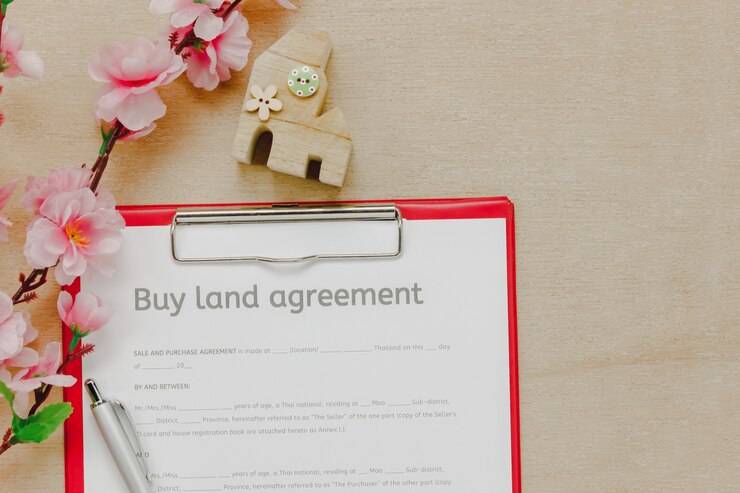
A Sale Deed is a legal document that acts as proof of ownership transfer. It is drafted on stamp paper and includes details like:
- Buyer and seller details.
- Property description.
- Sale consideration amount.
- Terms and conditions of the sale.
You should get the Sale Deed drafted by an authorized legal professional to ensure it meets legal requirements.
Step 3: Pay the Stamp Duty and Registration Charges
To register the property, the buyer must pay Stamp Duty and Registration Fees as per Punjab government norms.
- Stamp Duty in Punjab:
- Male Buyer: 7% of the property value
- Female Buyer: 5% of the property value
- Joint (Male & Female): 6% of the property value
- Registration Fee:
- Usually 1% of the property value, subject to a maximum cap set by the government.
The payment is made via e-Stamping or challan at designated banks.
Step 4: Visit the Sub-Registrar’s Office (SRO)
Once the Sale Deed is ready and the stamp duty is paid, the buyer and seller must visit the Sub-Registrar’s Office where the property is located. They should carry:
- Original Sale Deed.
- Payment receipts for stamp duty and registration fee.
- Identity proofs (Aadhaar Card, PAN Card, etc.).
- Passport-size photographs of both parties.
- Power of Attorney (if applicable).
- No Objection Certificate (NOC) if required.
Step 5: Registration and Biometric Verification
At the SRO, the following formalities take place:
- The buyer and seller sign the Sale Deed before the Sub-Registrar.
- Biometric verification and photographs are taken.
- The documents are digitally scanned and uploaded to government records.
- A unique registration number is assigned to the property.
Step 6: Collect the Registered Sale Deed
After successful registration, the Sub-Registrar’s office will provide a certified copy of the registered Sale Deed. The buyer can collect it from the office or download it online from the Punjab Land Records website.
Additional Points to Consider
- Mutation of Property: After registration, apply for mutation (intkaal) at the local revenue office to update the ownership in government records.
- Encumbrance Certificate: Obtain this document to ensure that the property is free from any financial or legal liabilities.
- Legal Assistance: Consulting a property lawyer can help in verifying documents and avoiding legal complications.
Conclusion
Property registration in Punjab is a straightforward but legally binding process that requires careful attention to detail. By following the steps outlined above, you can ensure a hassle-free registration experience. It is always advisable to double-check documents, pay applicable duties, and seek legal advice to avoid future disputes.
Final Thought: Investing in property is a major financial decision, and legal registration is the key to securing your rights as an owner. Make sure you follow the proper legal process to protect your investment and enjoy a smooth ownership experience.
For any queries related to property registration, you can visit the official Punjab Land Records website or consult a real estate legal expert.

